Skip to main content



Understanding the Importance of Manual Handling Training for Workplace Safety in Ireland
When it comes to workplace safety, proper manual handling techniques are crucial. Injuries related to lifting, pushing, and pulling can lead to significant worker compensation costs and impact employee morale. This comprehensive guide will explore the fundamentals of a manual handling course, the principles of safe lifting, and the invaluable benefits of pursuing manual handling courses online.
Why Manual Handling Training Matters
Manual handling involves the transportation or supporting of loads by human effort. In many industries, proper training is vital to reduce the risk of injury and enhance overall workplace safety. The impacts of inadequate training can be severe, leading to:
- Musculoskeletal disorders
- Increased absenteeism
- Higher workers' compensation claims
- Reduced productivity
Hence, to foster a safe working environment, employers must ensure that their employees are well-versed in manual handling techniques.
Key Content of a Manual Handling Training Course
A thorough manual handling course covers various essential topics and includes practical applications tailored to industry-specific needs:
1. Handling Theory
This section explains the underlying principles of safe handling. Knowledge in this area allows workers to understand:
- The anatomy of the human body
- The physics of lifting and carrying
- The importance of posture and body mechanics
2. Risk Assessment
Risk assessment is a key part of any manual handling training. Participants learn to identify potential hazards associated with specific handling tasks and how to assess those risks effectively. Factors that must be considered include:
- The weight and shape of the load
- The environment in which the handling occurs
- The physical condition of the individual handling the load
3. Practical Handling Techniques
Hands-on training is critical. Participants practice various safe lifting techniques suitable for different scenarios, including:
- Manual lifting of boxy items
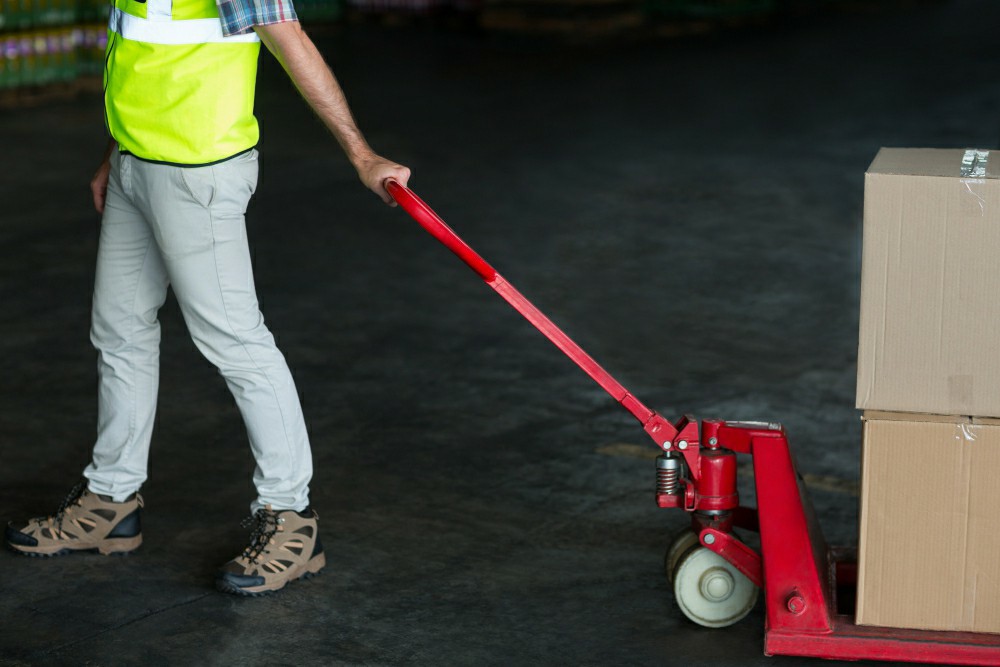
- Pushing and pulling loads
- Using mechanical aids and ergonomics
Advantages of Online Manual Handling Courses
One of the most significant advantages of pursuing a manual handling course online is flexibility. Here’s why:
- Convenience: Employees can learn at their own pace and fit training around their work schedules.
- Cost-efficient: Online courses often save on travel and accommodation expenses.
- Access to Resources: Many online platforms offer comprehensive resources that can be revisited at any time.
Additionally, online courses provide engaging content, often incorporating videos, quizzes, and interactive elements to reinforce learning.
Certification Process
Obtaining a manual handling certificate demonstrates your commitment to safety and enhances your employability. Post-training, participants typically undergo:
- An assessment to verify understanding and competency in manual handling techniques.
- Proof of successful completion is usually a digital certificate, easily shareable with employers.
This certification is an essential asset for various industries in Ireland, particularly in sectors like logistics, healthcare, and construction, where manual handling is a daily task.
Conclusion
Investing in a manual handling cert not only strengthens workplace safety standards but also empowers employees with the skills they need to perform their jobs safely. Consider taking advantage of our online courses to boost your knowledge and earn your manual handling certificate online at Online Safety Courses.
For more information on manual handling courses near you, check out Online Safety Courses. If you have questions or need assistance, feel free to contact us.