Skip to main content


The Importance of Certified Manual Handling Industrial Training in Healthcare
In the dynamic realm of healthcare, professionals encounter a multitude of challenges, one of which is ensuring safe and efficient manual handling practices. Whether you're a nurse, allied health professional, or support staff, understanding the nuances of manual handling industrial training is crucial. This blog post delves into why certified manual handling industrial training is not only a regulatory requirement but also a vital component for safeguarding both staff and patients.
Understanding Manual Handling in Healthcare Settings
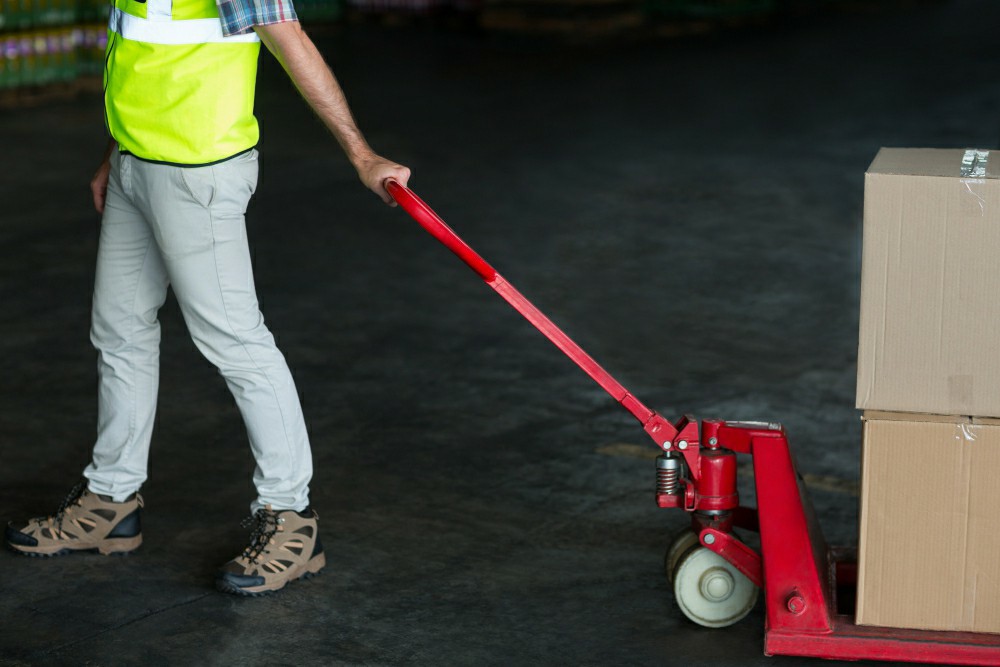
Manual handling refers to any activity that involves lifting, lowering, pushing, pulling, carrying, or moving a load. In healthcare settings, this often includes transferring patients, handling medical equipment, and managing supplies. Poor manual handling techniques can lead to serious injuries, including musculoskeletal disorders, which are prevalent among healthcare workers.
Statistics Highlighting the Risks
- According to the Health and Safety Authority (HSA) in Ireland, manual handling injuries account for a significant portion of workplace injuries.
- Healthcare workers are particularly at risk, with studies indicating that up to 50% of these professionals experience musculoskeletal problems over their career.
Benefits of Certified Manual Handling Industrial Training
Investing in certified manual handling industrial training provides numerous benefits:
- Enhanced Safety: Training helps staff learn proper lifting techniques to minimize injury risks.
- Improved Compliance: Compliance with HSA regulations is essential for avoiding fines and maintaining a safe workplace.
- Increased Confidence: Knowledge gained through training instills confidence in staff when handling patients and equipment.
- Promotes Teamwork: Training fosters a culture of safety, encouraging teamwork and communication among coworkers.
Choosing the Right Manual Handling Industrial Course
When selecting a manual handling industrial course, consider the following factors:
- Accreditation: Ensure the course is certified by a recognized body in Ireland.
- Course Format: Look for options that include both in-person and manual handling industrial online course formats to accommodate various schedules.
- Trainer Expertise: Verify the qualifications and experience of the trainers conducting the course.
- Content Relevance: Ensure the course material covers industry-specific scenarios applicable to healthcare settings.
Accessibility of Training in Major Cities
For healthcare professionals across Ireland, including those in cities like Dublin, Cork, and Galway, accessing manual handling industrial certification has never been easier. With both manual handling industrial safety courses and manual handling industrial online courses available, busy professionals can choose training that fits their schedules.
Conclusion: Prioritize Safety and Compliance
In conclusion, the significance of certified manual handling industrial training in the healthcare sector cannot be overstated. By prioritizing safety through comprehensive training, healthcare professionals can protect themselves and their patients from injury, ensuring a safer work environment.
For more information about our certified manual handling industrial training courses in Ireland, please visit Online Safety Courses or reach out via email at [email protected].