Skip to main content



The Impact of Certified Manual Handling Industrial Training on Employee Safety in Ireland
In the realm of workplace safety, manual handling industrial practices play a critical role in protecting employees, especially in demanding environments such as healthcare, manufacturing, and logistics. With the prevalence of musculoskeletal injuries related to improper manual handling, certified training has become essential for all professionals involved.
Understanding Manual Handling in Industrial Settings
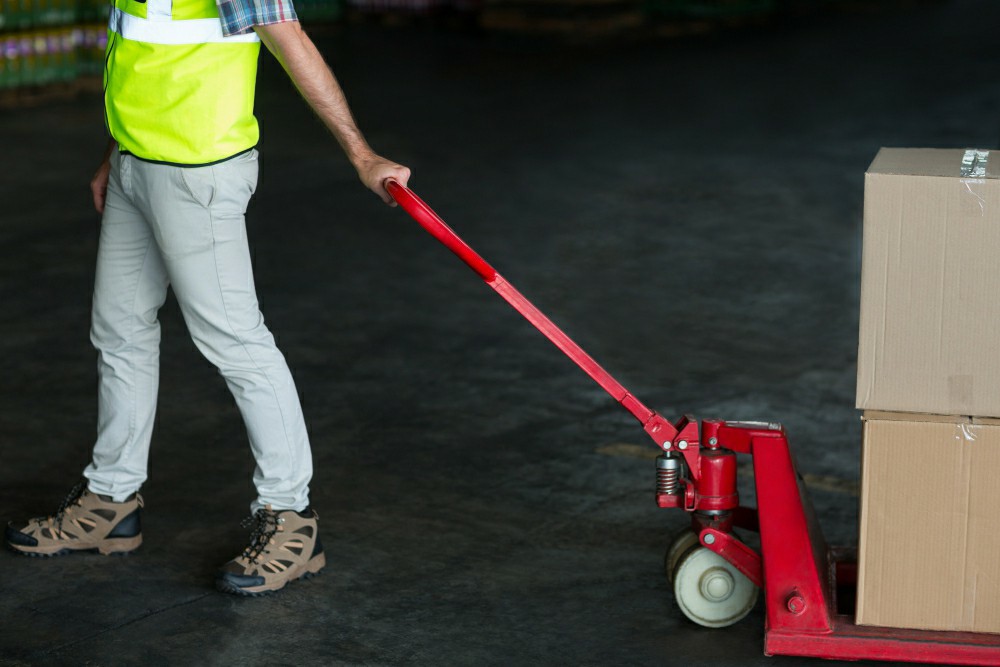
Manual handling industrial refers to the lifting, carrying, pushing, or pulling of items in a workplace. This encompasses a wide range of activities, from moving patients in healthcare settings to transporting materials on manufacturing floors. Each movement involves a risk factor that can lead to injuries if not performed correctly.
The Risks of Improper Manual Handling
- Musculoskeletal Injuries: Improper techniques can result in back pain, joint strain, and long-term disabilities.
- Increased Absenteeism: Injuries can lead to higher rates of sickness leave, affecting productivity.
- Financial Impact: Businesses may face increased insurance premiums and compensation claims.
The Role of Certified Manual Handling Industrial Training
Certified training not only complies with safety regulations but also equips employees with the knowledge and skills to lift and move objects safely. In Ireland, manual handling industrial certification ensures that professionals understand correct techniques, body mechanics, and risk assessment.
Why Invest in Certified Manual Handling Industrial Training?
- Compliance with Regulations: Many industries are required by law to provide manual handling training to their employees.
- Enhances Safety Culture: Promoting safe practices fosters a culture of safety within organizations and encourages employees to prioritize their well-being.
- Flexibility with Online Courses: The manual handling industrial course online options available in Dublin, Cork, and Galway offer flexibility for busy professionals, allowing them to complete training at their own pace.
Choosing the Right Manual Handling Industrial Course
Selecting a course must cater to the specific needs of your workforce. When looking for a manual handling industrial course, consider the following:
- Certification Validity: Ensure the course offers a recognized and valid certification.
- Content Relevance: The training should cover the specific scenarios and risks your employees face.
- Instructor Expertise: Courses led by experienced trainers can provide practical insights and real-world applications.
Conclusion: Prioritize Safety with Certified Manual Handling Industrial Training
Investing in certified manual handling industrial training is not only a legal obligation but a proactive measure to protect your workforce. By providing your employees with the necessary skills to perform manual handling safely, you significantly reduce the risk of injuries and improve overall workplace safety.
For more information about our training programs and to enroll in the best manual handling industrial safety course, visit Online Safety Courses or contact us at [email protected].