Skip to main content


Elevate Workplace Safety: Online Manual Handling Training & Certification in Ireland
Why Manual Handling Training is Crucial for Workplace Safety & Compliance
In any workplace, particularly in sectors like warehousing, construction, healthcare, and even office settings, manual handling activities are a daily reality. Understanding how to lift safely and manage loads effectively is not just beneficial for individual employees; it's essential for the overall legal compliance of an organization. Online Manual Handling Training provides a flexible, efficient solution to meet these critical needs.
What is Manual Handling? Understanding Workplace Risks & Legal Requirements
Manual handling refers to any activity that involves using the body to lift, lower, push, pull, carry, or move objects. In Ireland, the Safety, Health and Welfare at Work Act mandates that employers must ensure a safe workplace, which includes implementing proper training in manual handling techniques. Non-compliance can lead to costly penalties and increased workplace injuries.
Common Risks Associated with Manual Handling
- Musculoskeletal Disorders (MSDs)
- Back Injuries
- Slips, Trips, and Falls
- Fatigue and Strain Injuries
Failure to address these risks can not only lead to severe consequences for employees but can also result in financial losses for businesses due to downtime, compensation claims, and increased insurance premiums.
How to Lift Safely: Best Practices for Injury Prevention
Using proper lifting techniques can drastically reduce the risk of injury. Here are some best practices:
- Assess the Load: Determine if you can lift it alone. If not, seek assistance.
- Position Your Feet: Stand with your feet shoulder-width apart for stability.
- Squat Down: Bend at your knees, keeping your back straight.
- Lift with Your Legs: Use your leg muscles to stand up with the object, keeping it close to your body.
- Avoid Twisting: Turn your whole body instead of twisting your back when moving.
Implementing these techniques significantly lowers the risk of injuries resulting from manual handling.
The Benefits of Online Manual Handling Certification for Businesses & Employees
Opting for online manual handling courses offers numerous advantages, including:
- Flexibility: Employees can complete training at their convenience without disrupting business operations.
- Cost-Effective: Reduces travel and accommodation costs associated with in-person training.
- Accessibility: Ideal for remote workers and employees located throughout Ireland including Dublin, Cork, Galway, Limerick, and beyond.
- Up-to-Date Content: Online courses can be easily updated to reflect the latest safety standards and practices.
These factors contribute to a more engaged workforce that takes safety seriously.
How to Get Certified in Manual Handling Online: A Step-by-Step Guide
Getting certified is straightforward:
- Choose a recognized platform that offers online Manual Handling Certification.
- Create an account and select your training course.
- Complete the course modules at your own pace.
- Pass the assessment to receive your certification.
- Print your certificate for your records and compliance needs.
This process not only equips you with vital skills but also promotes a culture of safety in your workplace.
Why Online Manual Handling Training is More Effective & Cost-Efficient
Online training leverages technology to ensure learning is engaging and effective. Interactive modules, quizzes, and practical examples enhance understanding compared to traditional methods. Plus, the cost savings can be significant for businesses with large teams needing certification.
Common Workplace Injuries & How Training Helps Prevent Them
Work-related injuries associated with manual handling, such as sprains and strains, can lead to long-term health issues and absenteeism. By investing in manual handling training, employers can reduce the incidence of these injuries, resulting in:
- Lower workers' compensation costs
- Improved employee morale and productivity
- Enhanced reputation as a safety-conscious employer
Best Practices for Safe Manual Handling in Different Work Environments
Each workplace has unique characteristics, but the core principles of safe manual handling apply across the board. Consider implementing:
- Regular training refreshers for all employees.
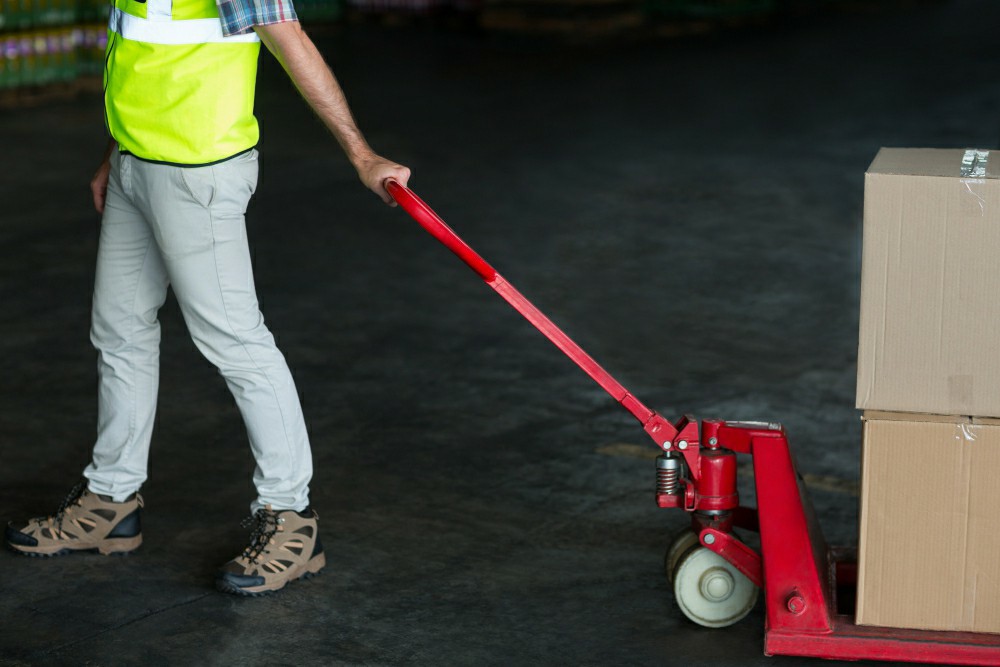
- Proper tools and equipment to assist with heavy loads.
- Custom risk assessments for your specific environment.
Combining training with a proactive safety culture will yield the best results.
Conclusion & Call to Action
In conclusion, online manual handling training is a vital investment for promoting workplace safety, ensuring legal compliance, and preventing injuries. Don’t wait for an incident to occur—take proactive steps towards safer manual handling practices today!
Ready to get started? Enroll in our Online Manual Handling Course and secure your certification!
For direct inquiries, feel free to contact us at [email protected].